Tennis tips
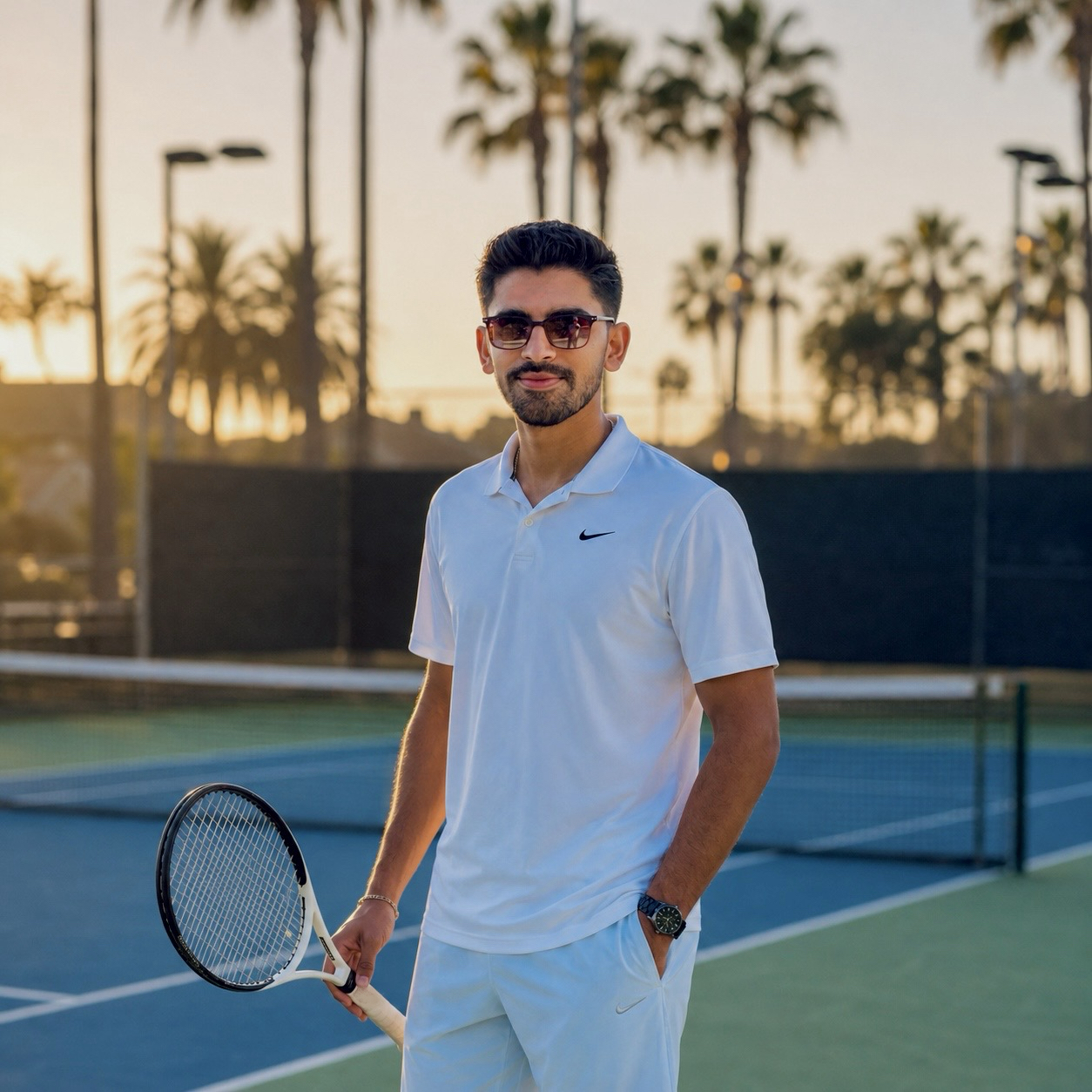
Ali Keshavarz · Tennis coach in Los Angeles, California
If you are searching for tennis lessons in West LA: Santa Monica, Marina Del Ray, Playa Vista, Westwood, and Beverly Hills, I keep training engaging and effective: clear goals, targeted drills, and real feedback every minute. I am Ali Keshavarz, and I coach in person in the listed areas with a plan tailored to how you move, learn, and compete. You will leave each session knowing what improved and what we are doing next.
I have coached tennis for 6 years and have spent 11 years on court as a competitive player. My style is straightforward: I watch you hit first, then we prioritize the 1-2 changes that will unlock the most progress. You will get specific cues and repeatable drills, not general advice.
A few things students say stand out:
Across 60 reviews, my coaching has a 5-star average, and I have completed more than 200 lessons through this site. Numbers do not replace work on court, but they do reflect a steady, reliable approach you can count on.
Most of my lessons happen at two Santa Monica courts:
If you live near Marina del Rey, we can meet at Glen Alla Park Tennis Courts. On the Westside in Los Angeles, Westwood Tennis Center and Mar Vista Recreation Center are reliable options. I also teach at Los Angeles Tennis Center for players who want a UCLA-adjacent location. All sessions are in person, not online.
If you are unsure which court fits your schedule, tell me the days and times that work for you. I will suggest the closest location with realistic court availability to keep your training consistent.
Your first session starts with a quick movement and contact check. I watch your split step, recovery patterns, and how the racquet meets the ball. From there, we pick one primary focus and one supporting habit. Examples:
You will hear short cues you can remember between lessons: “see strings to target,” “load, then go,” or “recover on the hop.” We will write down or text your focus so you can practice exactly what matters.
I work with players from age 5 through adult, plus adaptive lessons. The setup changes with the player:
Short answer: if you can benefit from clear feedback and a plan, I can meet you where you are. I work with beginners learning grips and footwork, players returning after a break who want to get their rhythm back, and competitive adults who need structure and accountability. If you are an as-a-4.5-level player looking to tune specific patterns, we build advanced situational drills with targets and scoring so your practice matches the way you want to play.
I coach with a framework so each session has a clear outcome.
Option A: Groundstroke Foundation
Option B: Serve First, Then First Ball
Option C: Net Game And Transition
Tennis progress is about repetition and attention, not just effort. I keep the reps high and the feedback specific. We pause only to correct what matters, then go back to live hitting so you can feel the change under real timing. After lessons, I give you 2-3 homework items you can do at a public wall or with a friend, like 50 shadow forehands with a stop at contact or serve-toss reps to a small chalk target.
I also track one metric per week. Examples: first-serve percentage, crosscourt rally length to 7, or approach-and-finish efficiency. Simple stats turn vague improvement into something you can see.
I can provide tennis racquets and plenty of tennis balls. You should bring water, sunscreen, a hat, tennis shoes, and your personal racket if you have one. If a session is mid-day, we plan for shade breaks and pacing so you can keep quality high even when it is hot.
You can book a singlePrivate Tennis Lesson for 60 minutes at $80. If you want consistency and savings, packages help: a 4-Session Tennis Package at $75 per lesson, an 8-Session Tennis Package at $70 per lesson, and a 12-Session Tennis Package at $65 per lesson. Each lesson is 60 minutes and focused on technique, movement, and strategy, with a clear plan and homework so you get more from your time on court.
If you are comparing tennis lesson options, choose the plan that best matches how often you can train. Once a week is enough to build habits if you do the homework. Training twice a week accelerates change if you are preparing for a league, a school team, or a return to competition.
Santa Monica and Westside courts can fill up quickly. Here is how I manage that so your lesson stays productive:
These look simple, but they compound fast when you add them between sessions.
Most players feel a difference in the first session because we target the biggest win first, like contact point or footwork timing. Real consistency comes from 3-6 weeks of focused reps, especially if you do the short homework I send after each lesson.
If you want coaching that is specific, practical, and local, I would love to work with you. Book a lesson and let us build a plan that makes tennis feel fun and progress feel obvious.
About the coach
Ali Keshavarz
Tennis coach in Los Angeles, California
I coach players ages 5 and up in Santa Monica and the surrounding Westside, including students looking for adaptive tennis lessons. Wherever you're starting from, the aim is the same: better technique, sharper footwork, smarter strategy, and more confidence every time you step on court. Tennis has been part of my life for 11 years, and I've spent the last six coaching. Every lesson starts the same way. I watch how you move and play, ask what you want out of tennis, and build the session around what I see. Some players want technique explained step by step. Others would rather play points and be challenged early. Either way, you get clear feedback, patience where it's needed, and high expectations throughout. Maybe tennis has started to feel frustrating. Maybe you just want it to feel fun again. Either way, you'll leave knowing what improved and what we're working on next.
Book a tennis lesson with AliReady to put it into practice?
Book a tennis lesson with Ali in Los Angeles, California and get coaching built around your game.
Book a lesson with AliGet Started
Ready to improve your tennis game? Browse Ali's packages and book your first session today.
Where Ali Teaches
© 2026 Coach Ali K.. All rights reserved.